COST
How much will the expedition cost?
Antarctic Heritage Trust has fundraised extensively over the past few years to help cover the majority of the costs of this expedition for chosen Inspiring Explorers™. Donors to our Inspiring Explorers™ Fund as well as a significant contribution from Expedition Partner, Heritage Expeditions, mean that we have been able to keep costs to an absolute minimum. We ask each Inspiring Explorer™ to contribute NZD $2000 towards the expedition, with a payment of $1000 to be made immediately upon acceptance and the remaining balance payable by 18 December 2026.
Antarctic Heritage Trust will pay for:
- All flights for the expedition
- All accommodation and incidentals directly before and after the expedition
- The expedition itself, including permits, guides, transport, food and group equipment costs
- Any travel required and accommodation for the team building and post-expedition programme weekends
- Travel insurance covering the expedition and associated travel
If selected for the expedition, you will need to cover the following costs:
- NZD $2000 towards the expedition
- Overweight/excess baggage fees (if required)
- Personal clothing and equipment (to be advised)
- Any visas required for the expedition
If you are a New Zealand citizen or permanent resident living outside New Zealand, you must cover the costs of returning to New Zealand for all the required dates for this expedition (team building in November 2026, the expedition in January 2027, and the post-expedition programme in April 2027).
What if I can’t afford the expedition cost?
Should you find the cost of the expedition a limiting factor then please reach out to us on our contact information, we will do all we can to make sure this opportunity is available to anyone meeting the eligibility criteria and make decisions on a case-by-case basis.
How much will the team building and post-expedition programme (de-brief) weekends cost?
The Trust has fundraised to cover the cost of travel to and from the team building and de-brief weekends in Christchurch. Food and accommodation will also be provided for the weekend. This is thanks to our Inspiring Explorers™ Fund donors and sponsors. This means that only additional personal purchases will be at your expense for successful applicants.
THE EXPEDITION
Why go to the Ross Sea?
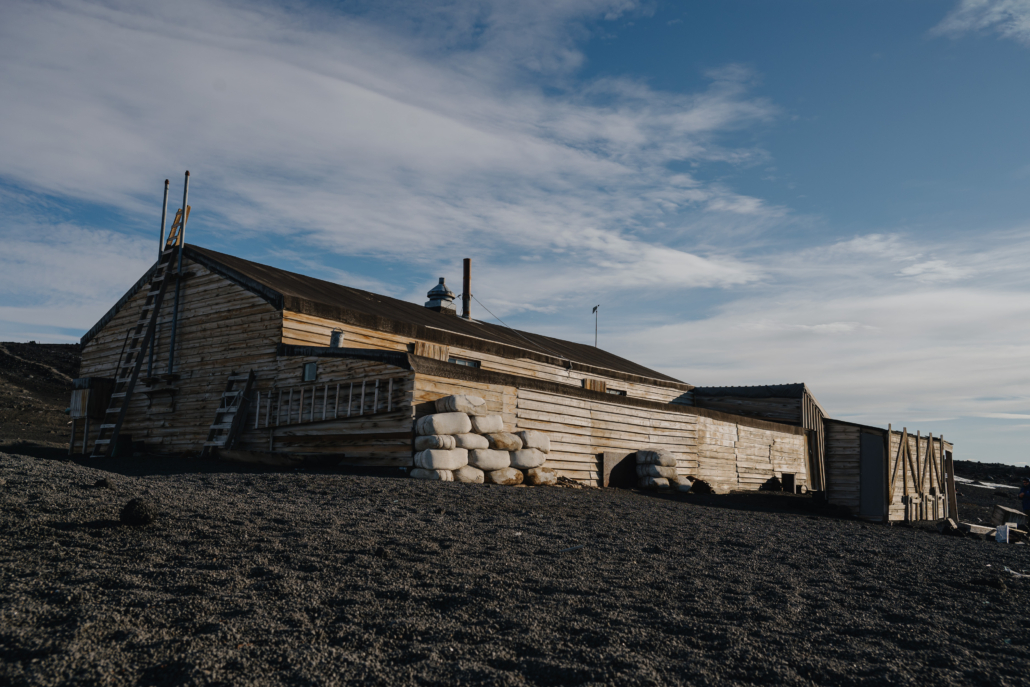
The only example left of humanity’s first dwelling on any continent is in Antarctica. The heroic era polar explorers established a number of bases there to explore the then largely unknown icy continent.
The Trust cares for the expedition bases of explorers Carsten Borchgrevink, Captain Robert Falcon Scott, Sir Ernest Shackleton and Sir Edmund Hillary, on behalf of the global community, launching world’s largest cold-climate heritage conservation project, the Ross Sea Heritage Restoration Project, in 2002.
To celebrate the Trust’s 40th anniversary, we are sending an Inspiring Explorers Expedition™ team to the Ross Sea region. This expedition offers a once-in-a-lifetime opportunity to walk in the footsteps of the early Antarctic explorers and experience the rich history and legacy they left behind.
What does the expedition involve?
Antarctic Heritage Trust is offering a team of young people the chance to join a ship-based Inspiring Explorers Expedition™ to the Ross Sea Antarctica from 5 January 2027 to 3 February 2027. Participants will learn about Antarctic history and the Trust’s work to safeguard the historic huts of legendary polar explorers such as Scott and Shackleton. Participants will also contribute to the protection of Antarctica’s internationally significant cultural heritage while developing their ‘Explorer Mindset’ qualities of curiosity, resilience, leadership, innovation and teamwork.
Are there fitness requirements?
All applicants should be of reasonable fitness, stamina, resilience and able to walk on uneven terrain for up to 4/5 hours. The nature of the weather and temperature in Antarctica means a moderate level of fitness is required as the freezing conditions can be energy sapping.
Will I visit the heroic era historic huts?
Due to the unpredictable nature of ice, weather conditions, and other environmental factors, Heritage Expeditions cannot guarantee specific landings, though we hope to visit the following historic huts on Ross Island: Carsten Borchgrevink’s hut at Cape Adare, Shackleton’s hut at Cape Royds, Scott’s hut’s at Hut Point and Cape Evans.
Will I visit modern Antarctic bases?
Visits to scientific field stations Scott Base and McMurdo Station, both on Ross Island, are high on Heritage Expeditions wish-list, but ice, weather and station operational requirements can often make them inaccessible. We also hope to visit an Italian research station at Terra Nova Bay, where the scientists are always hospitable, sharing their scientific research and also, perhaps, the best ‘espresso’ in Antarctica!
When is the expedition and for how long?
The expedition will take place between 5 January–3 February 2027, beginning and ending in Queenstown, New Zealand.
Travels include from Queenstown to the Port of Bluff, alongside Heritage Expeditions passengers, on 7 January. The ship departs later that day, setting course for the Ross Sea region via Subantarctic Islands. The ship arrives back in Bluff on 2 February, and we will return to Queenstown that same day for a debrief with the Inspiring Explorers Expedition™ team. Flights will depart Queenstown the following day.
Prior to the expedition, there will be a team building weekend in Christchurch between 20 – 24 November 2026, that the Inspiring Explorers™ will need to be able to attend. After the expedition there will be a debrief weekend in New Zealand between 9-11 April 2027, that participants must attend.
Where is the Ross Sea and what’s it like?
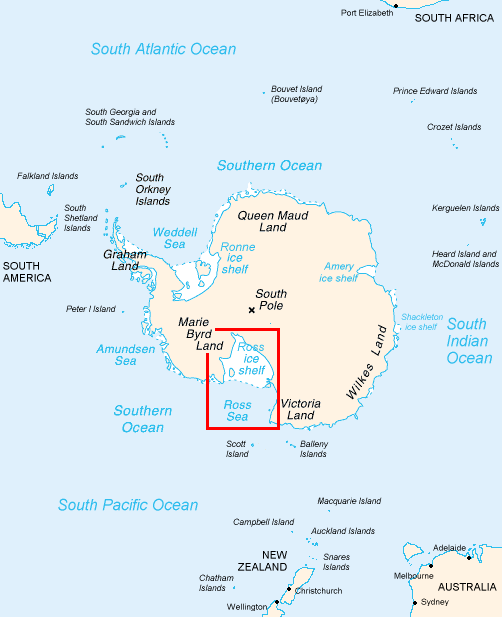
The Ross Sea is a vast body of water located approximately 3,500 km south of New Zealand, adjacent to the Antarctic continent. It is one of two areas around Antarctica characterised by a wide continental shelf, with the Weddell Sea being its counterpart on the opposite side of the continent.
The Ross Sea is known for its extreme environmental conditions, including frigid temperatures and seasonal ice cover. The Ross Sea is home to a diverse array of marine life, including penguins, seals, whales, and various fish species, making it an important ecosystem for Antarctic biodiversity. Its waters are also rich in nutrients, supporting large populations of phytoplankton and krill, which form the base of the Antarctic food chain. The region is of significant interest to scientists studying climate change, marine ecology, and the unique adaptations of polar organisms.
How long will it take to get to the Ross Sea and how do you get there?
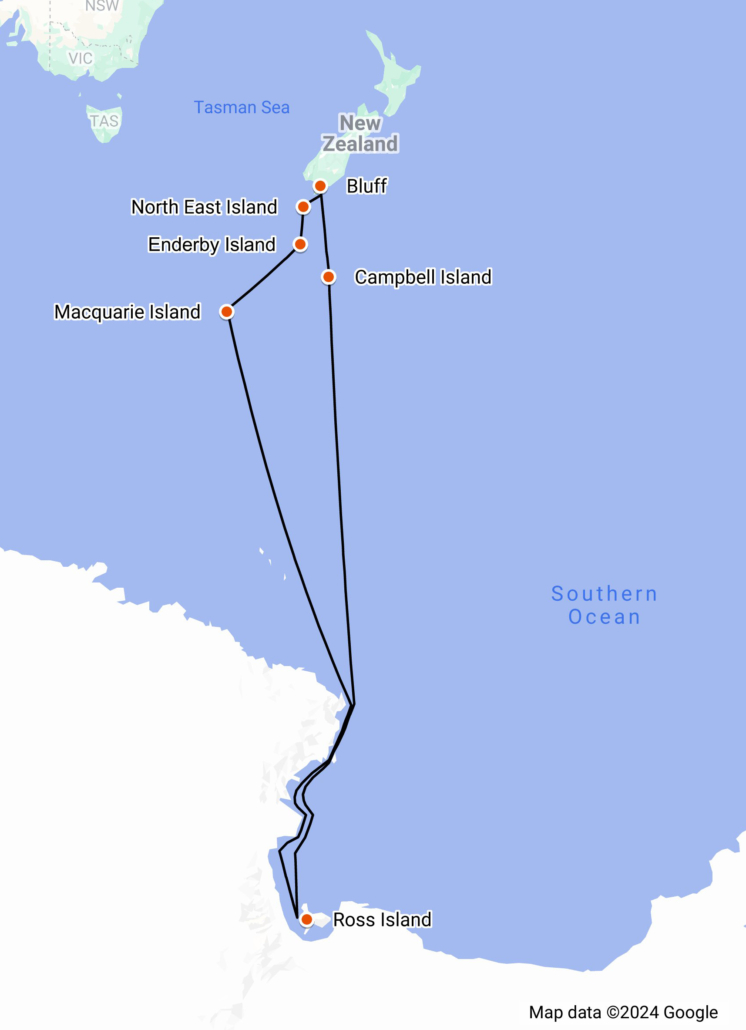
From the Port of Bluff in New Zealand, we depart for the Ross Sea with Heritage Expeditions. The voyage takes approximately ten days to reach the Ross Sea, with stops along the way at Subantarctic Islands: North East Island (The Snares), Enderby Island (Auckland Islands) and Macquarie Island.
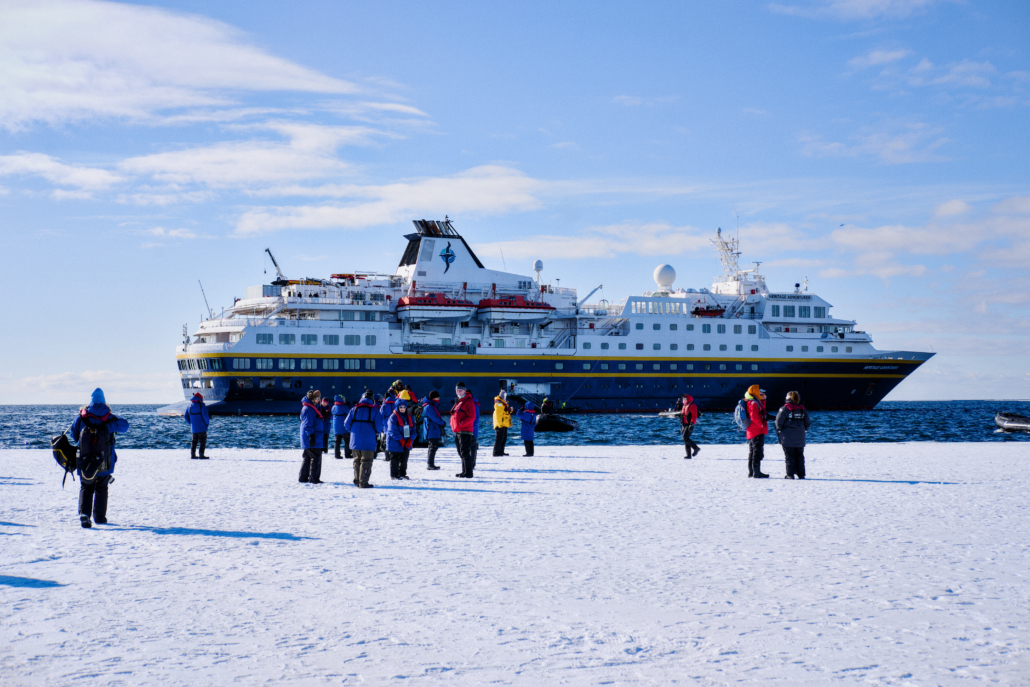
The ship will spend 11 days in the Ross Sea region, during which we hope to visit a number of historic sites and scientific research bases, while taking in views of spectacular scenery and wildlife.
The ship will then take approximately six days to return to the Port of Bluff, with a stop at the Subantarctic Campbell Island between days as sea.
Will I be sharing a room?
Yes. Our Inspiring Explorers™ team will be in twin cabins on board. This will be with one of your teammates and this will be announced at the Team Building Weekend.
What sort of Outreach do I need to participate in?
Outreach is a critical part of the Trust’s Inspiring Explorers™ programme. If you travel to Antarctica with us on this once-in-a-lifetime expedition, you will return with so many stories to tell!
On returning from the expedition, we encourage the Inspiring Explorers™ to share their stories and experience to advocate for the continued conservation of the important cultural heritage sites of the Ross Sea region.
Your individual outreach responsibilities include delivering three presentations in your community and writing a blog about your experience for publication on the Trust’s website.
If this seems daunting, don’t worry, you will be fully supported to achieve these requirements. You will receive coaching and practice at speaking in front of an audience while on the expedition, we can help you with suggestions for organisations that would love for you to visit and tell your story, and we will supply you with resources to help you share the work of the Trust. We can also provide support to help you write your blog.
During the expedition, the team will work together on a group outreach project to capture content for a video guide for future visitors to the historic huts cared for by the Trust in the Ross Sea region of Antarctica. The guide will share the significance of the huts and the Trust’s work to protect them, while helping visitors make the most of their experience and minimise their impact on the historic sites. It will also encourage visitors to become ambassadors for Antarctica’s cultural heritage beyond their visit.

PRE AND POST EXPEDITION
What and when is the Team Building Weekend?
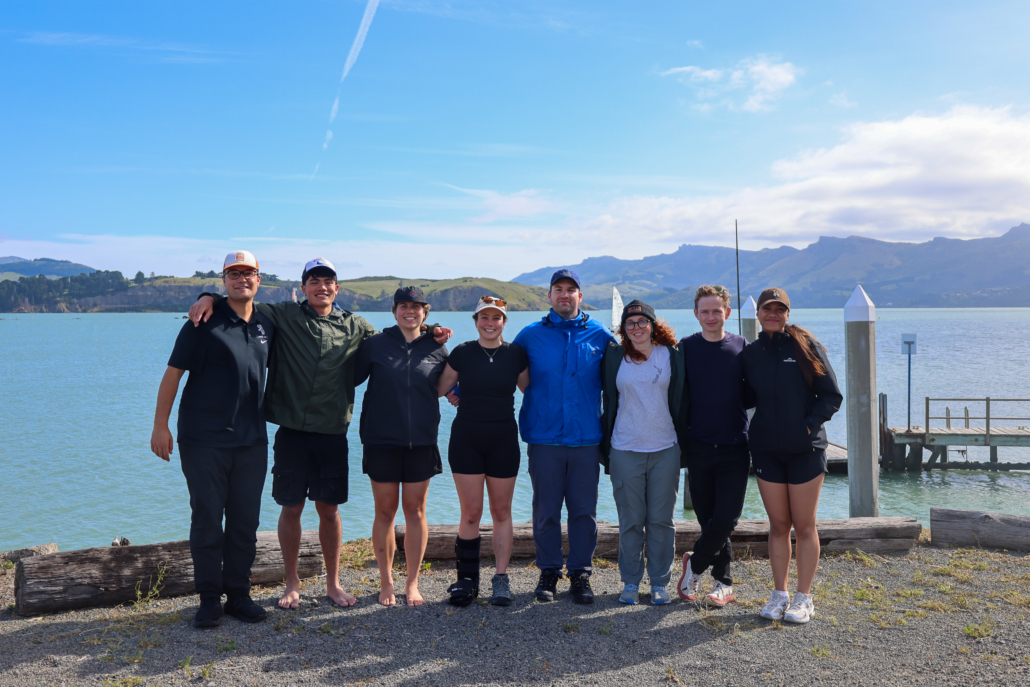
Prior to the expedition, there will be a team building weekend held in Christchurch from 20-24 November 2026, which the Inspiring Explorers Expedition™ team members are required to attend.
The purpose of the weekend is to create a strong team, by forming bonds and connections, and enabling everyone to work towards a common goal. The weekend will involve practical activities and meeting with the Trust’s team, who will share insights into our programmes and the conservation work we do on the Ice, as well as start to grow your ‘Explorer Mindset’.
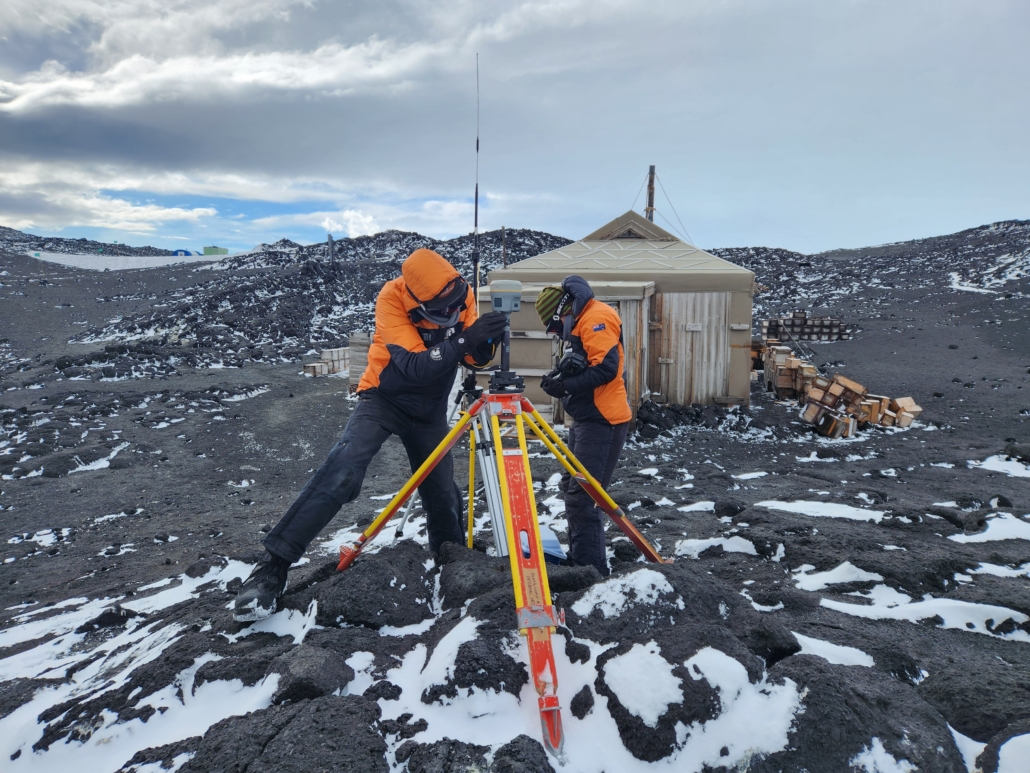
During the expedition, participants will contribute to conservation activities including RTK (Real-Time Kinematic) surveying and measuring permafrost depths to support the ongoing care of the historic huts and improve our understanding of the surrounding environment. Before travelling south, the team will receive specialist training from Trust experts during the team building weekend.
Other key areas that will be discussed over the weekend include Health and Safety, individual and group outreach projects, expectations for the expedition, what you should bring (clothing and gear), what you need to prepare, and answer all the key questions you might have.
What and when is the Post-expedition Programme (De-brief Weekend)?
Following the expedition, we will hold a de-brief weekend in Christchurch from 9-11 April 2027. Our Inspiring Explorers™ team will get back together to share their stories, work on their outreach (both as a team and individually) and share thoughts, impacts and feelings about the expedition. This is an opportunity to process our experiences and show you how to channel the things you learned on the expedition into valuable life skills, professionally and/or personally.
During the weekend, you will further develop your ‘Explorer Mindset’ through engaging workshops, helping you grow. There will also be an opportunity to give feedback on our expedition, to ensure your views are used to continue evolving our programmes.
APPLICATION AND SELECTION
Who can apply for this expedition?
We are looking for young people aged 18-30 who are looking to grow their ‘Explorer Mindset’, step outside their comfort zone.
The expedition celebrates the Trust’s 40th Anniversary and the collaboration that has made the Trust’s Ross Sea Heritage Restoration Project one of the world’s largest and longest running cold climate conservation programmes.
The 2027 expedition team will reflect the national and international collaboration that has underpinned the Ross Sea Heritage Restoration Project for more than two decades.
Alongside young New Zealand citizens or permanent residents from across the country, to recognise these countries’ governance contribution over the last four decades, we are also looking for:
- A young person from the United Kingdom currently living in New Zealand
- A young person from Ireland currently living in New Zealand
- A young person from the United States currently living in New Zealand
There are three types of roles to apply for in the team:
- A general role – you have a passion for Antarctica and Antarctic history, and a desire to step outside your comfort zone and embrace new challenges.
- A heritage professional role – you are studying or working in the fields of conservation, heritage, science, engineering, surveying, or architecture.
- A videographer role – you have the skills to capture high quality video footage and audio recordings while working in a remote and challenging environment.
The team will also include a student from the AIMHI network of schools in South Auckland.
During the expedition, all team members will have the opportunity to contribute to one of the world’s largest and longest running cold climate conservation programmes.
All applicants must hold a valid passport.
What are the limitations around age?
While our application age range is between 18 – 30, we appreciate there are some unique situations around this. If you are currently 17 but will be 18 at the time of the expedition, you are welcome to apply. If you are currently 30 but will be 31 by the time of the expedition, you are also welcome to apply. In both these cases, please contact us on inspiring@nzaht.org for further instructions.
What if I am a New Zealand citizen or permanent resident living overseas?
New Zealand citizens or permanent residents living overseas are eligible to apply, however you must cover the costs of returning to New Zealand for all the required dates for this expedition (team building in November 2026, the expedition in January 2027, and the post-expedition programme in April 2027), and you must be able to show that you have met, or are able to meet, all immigration and health requirements.
What is the application process?
Please check the Eligibility Criteria to ensure you qualify for the Inspiring Explorers Expedition™ before applying. There are a few stages to the application process in which applicants will be vetted, and some will not be able to carry on.
The application process is outlined below:
- Part 1: Complete the online application form – written questions, contact information and declaration.
- Part 2: Record and submit video responses to interview questions (a link will be emailed to you to complete the video responses). Please allow up to 48 hours to receive the email with instructions for completing the video component of your application. If you have not received this email within 48 hours, please contact Inspiring@nzaht.org.
- Part 3: Shortlisted candidates will be invited to take part in a live video interview with the Antarctic Heritage Trust team and asked to provide referees.
- Part 4: Antarctic Heritage Trust will advise successful applicants.
Please contact us on inspiring@nzaht.org if you have any questions about the application process.
When will I receive the email to complete the video part of my application?
After submitting your application, you will be sent an email with instructions on how to complete the one-way video part of your application.
Please allow up to 48 hours to receive this email. If you have not received it within 48 hours, please contact Inspiring@nzaht.org
How long will the application process take?
There are two parts to the application process: a written application and an online one-way video interview.
Please note that once you begin the written application, you’ll need to complete it in one sitting, as your progress cannot be saved. Depending on how much thought you put into your responses, it can take anywhere from 20 minutes to a couple of hours to complete. If you’d like more time to prepare your answers, we recommend drafting them in a separate document first, then copying them into the application form. Just be sure to keep within the word limits.
The online one-way video interview consists of five questions. Once you’ve submitted your written application, you’ll receive a link to complete your video responses. Unlike the written application, your progress can be saved, and you’ll be able to view the questions beforehand so you can practise or make notes before recording.
While it’s fine to prepare, we encourage you not to read directly from a script. We want to get to know the real you and hear your personality come through in your answers.
Each question has a one to two minute time limit, and you’ll have up to five attempts to record your response. Please note that if you use all five attempts, your fifth recording will be automatically submitted.
Overall, the time it takes to complete the application is entirely up to you. Some previous participants spent hours preparing their responses, while others completed the process in a single sitting. There is no right or wrong approach. Simply do what works best for you.
Can I change my application once it’s been submitted?
No. So please ensure you’ve planned exactly what you want to say and even had a practice before recording your video answers. You will be able to re-record your answers up to five times so practice beforehand. Please also be aware each video response has a set time limit. These time limits will be available for you to see to plan and practice your answer.
What do I do if the video interview platform (Spark Hire) isn’t working properly?
If you have issues with the video interview platform then please reach out to us on inspiring@nzaht.org. Please note that Spark Hire is a third-party platform, so in many cases we will refer you to the Spark Hire website’s help function to solve any issues you may be experiencing. The Spark Hire video interview platform is compatible with most portable devices, so you can record on a small handheld device rather than a computer or laptop. Should you not have the equipment required to record your answer then please contact us and we’ll ensure you can get a full application submitted and be considered for one of the places on our expedition.
Can I use my mobile to record my video responses to the interview questions?
The application website is mobile compatible, so you should be able to complete your application on your phone, including your video responses.
Should you have issues with this please contact us on inspiring@nzaht.org.
What is the selection process?
The Trust’s selection panel will review all applications and choose a shortlist of applicants to interview. Following interviews and reference checks the successful team will be advised. There will also be reserve spaces offered, in the event that a member of the team has to pull out.
Can I apply if I have a permanent disability?
Antarctic Heritage Trust welcomes applications from everyone and strives to be an inclusive and equitable organisation. However, this expedition will require a certain level of physical and mental ability in order to meet the health and safety requirements set out onboard the ship and when on land. Please contact us on inspiring@nzaht.org to discuss your unique situation as we will strive to make this opportunity as accessible as possible.
Can I apply if I get seasick?
Yes, you can still apply. Seasickness is common during the voyage south, and many people experience it to some degree. We recommend discussing any concerns with your doctor before the voyage and bringing any medication or remedies that work best for you.
Can I bring or nominate a friend or partner to come with me?
We welcome you to share the expedition details with your friend or partner but please note everyone must apply through the same process. You are welcome to note/mention friends and partners within your application, but no preference or discrimination will be given on this basis.
Do I need any experience to apply?
While no prior experience is required, this expedition is a fantastic opportunity to develop new skills and grow both personally and professionally.
During the expedition, you’ll get the opportunity to contribute to one of the world’s largest and longest running cold climate conservation programmes undertaking tasks that contribute to the long-term conservation of the historic huts. This project provides an exciting and unique opportunity for those interested in heritage, conservation, and archaeology or related fields such as architecture, surveying, or engineering to gain hands on experience while developing leadership and teamwork skills in one of the world’s most challenging environments.
Working alongside Antarctic Heritage Trust, Inspiring Explorers™ will also capture content for the historic hut visitor guide outreach project including filming and featuring in the video. This is an exciting opportunity for those interested in film, videography, storytelling and communications to gain hands on experience contributing to a resource that will be seen by people from all over the world.
While these projects provide opportunities for applicants with relevant interests or experience, they are just one part of the expedition. We are equally looking for people from all backgrounds who are passionate about Antarctica and its history, eager to challenge themselves, and excited to contribute as part of a team.
There will be specific questions about your professional background, interests and experience as part of the application process.
I’m from the United Kingdom, Ireland, the United States. How do I apply?
If you are a young person from the United Kingdom, Ireland or the United States currently living in New Zealand, and want to apply for one of the roles, you will complete the same application process as everyone else.
Simply submit your application through the online form and answer the relevant questions about your background and experience.
Will my application be shared with anyone else?
All applications are held securely through our application website adhering to the Privacy Act 2020. Information may be shared with our expedition partners in strict confidence as part of the selection process.
How do I contact you about my application?
Should you have any further questions then please contact us on these details:
Email – inspiring@nzaht.org
EQUIPMENT
What specific gear do I need?
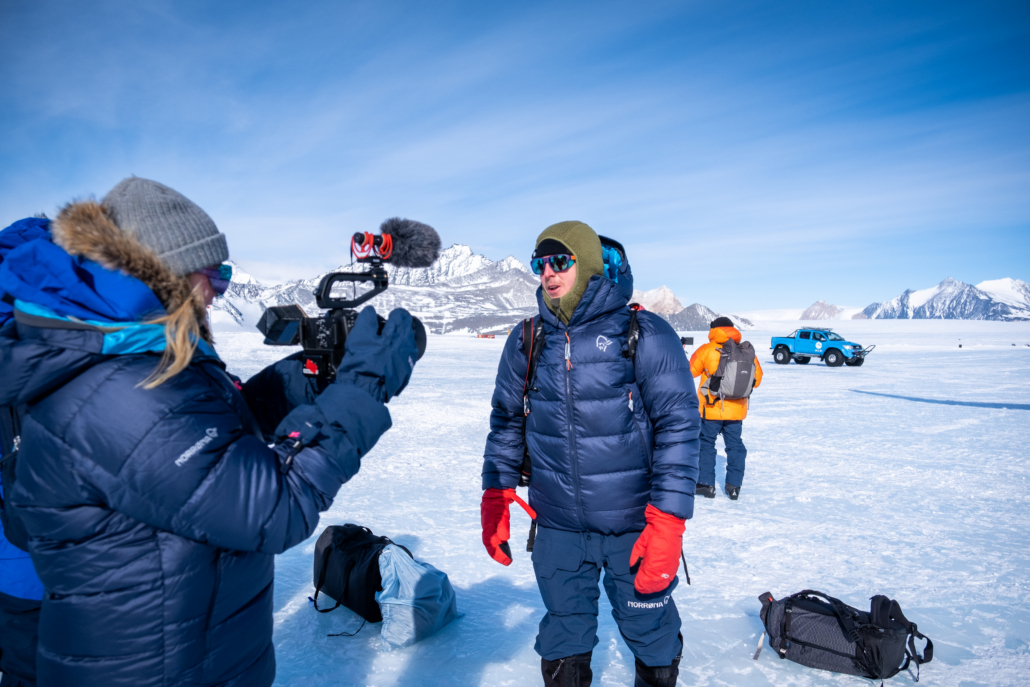
All participants will need to have their own clothing and equipment or be willing to hire any gear they do not have.
A full gear list will be shared with successful candidates. You can expect this to include cold weather clothing, meaning warm layers, quality cold weather clothing and good wind/waterproofs.
Good UV protection is a must, including quality sunglasses and high factor sunscreen.
Taking a pair of binoculars is advised as it will be a great way to see more of the amazing wildlife up close.
A waterproof backpack or dry bag inside a day backpack is advised to carry your belongings during shore excursions.
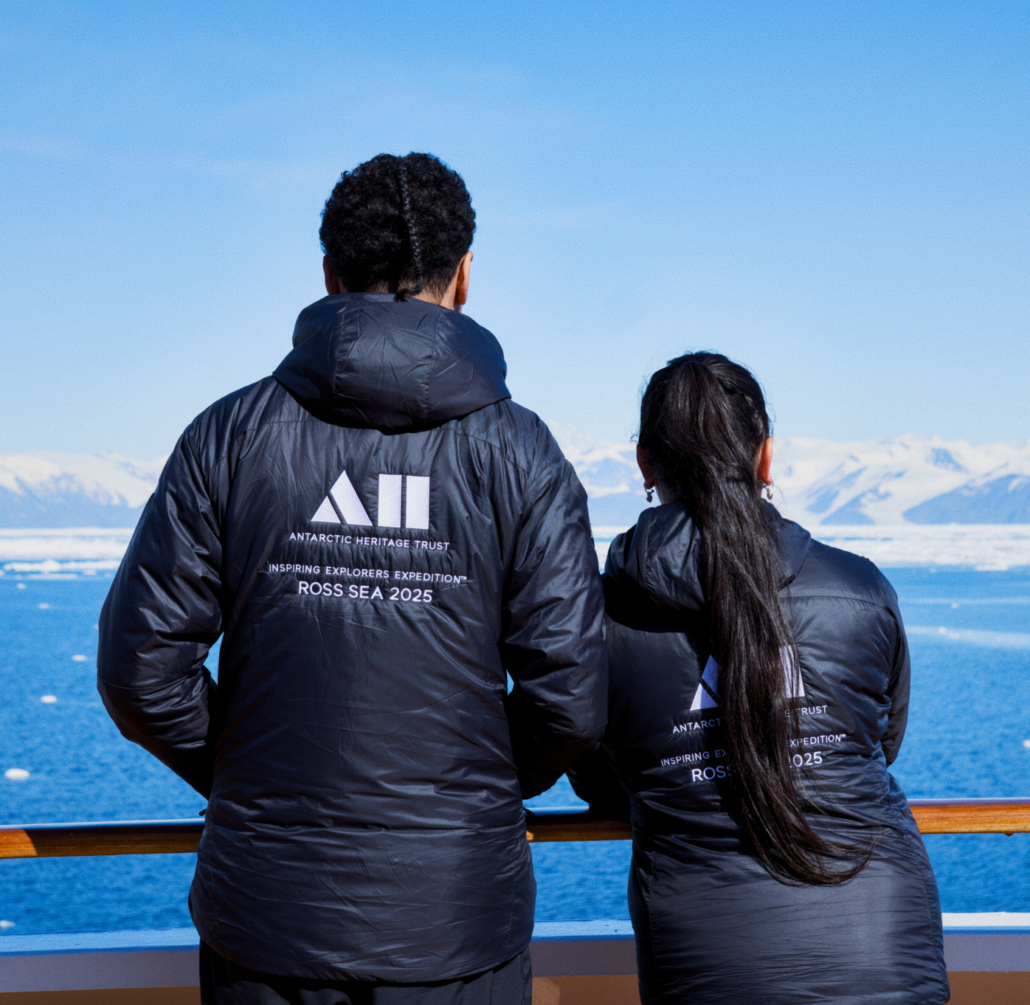
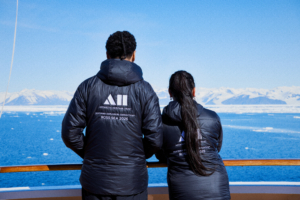
The Trust will provide a team jacket to each team member as a memento and piece of quality Antarctic clothing.
How much will the gear cost?
Depending on how much gear you need, the cost of buying equipment and/or hiring equipment will vary. When sending out gear lists, we will aim to give you guidance on quality and locations for purchase as you don’t need to buy the most expensive equipment available to stay warm and dry. The Trust may be able to provide discounts for purchasing clothing through our industry links.
How much can I bring with me on the expedition?
Baggage will be limited to what an airline can carry. Usually this is around 23kg plus hand luggage, but this will be confirmed with the successful applicants.
Can I bring personal sponsorship on the expedition?
The Trust does not allow any formal sponsorship of our Inspiring Explorers™ personal contribution of NZD $2,000 towards the expedition. With over 97% of the expedition fundraised for by the Trust, we have priority obligations to our current donors and sponsors. We highly encourage you to reach out to your community such as your church, local service organisations, clubs, to fundraise towards your personal contribution to the expedition. If you need support with this please contact inspiring@nzaht.org and we can put you in touch with organisations that can help you fundraise for your contribution.
Can I bring my devices, phone, laptop, camera etc?
You’re welcome to bring any devices you choose. Successful applicants will receive further information on what expensive items may not be covered by insurance in due course. Any items we ask you to bring as part of your outreach will be covered, however it will be your responsibility to look after all personal items.
Can I bring a drone?
Visiting the historic sites in Antarctica requires a number of permits, which will be acquired by the Trust and Heritage Expeditions. Should your outreach work require a drone then a permit for operating this will be organised by the Trust, but will likely require you to hold a drone pilots licence. Bringing your own drone solely for personal footage or images won’t be allowed.
THE SHIP
Will I have to share a room?
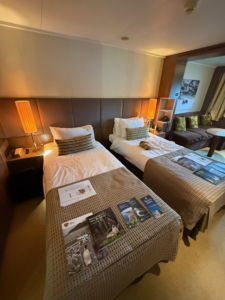
Yes. Our Inspiring Explorers Expedition™ will have two explorers to every cabin. The Trust will allocate cabins to the selected applicants.
What will I eat on the ship?
There are high quality chefs on board the ship who make a huge range of delicious food ensuring you’ll never go hungry. As well as three good meals a day there is always tea, coffee and other drinks available. This, as well as frequent morning and afternoon tea treats.
Do you cater for dietary requirements?
The on-board ships culinary team can cater for almost any dietary requirement. We will ask you about food allergies during the application process and check to ensure the ship can cater for your needs, which in most cases, it can.
What if I get ill or seasick on the ship?
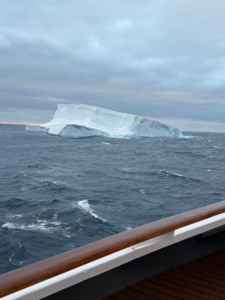
If you’re prone to seasickness then please see your GP before leaving for the expedition and they will likely prescribe some anti-nausea tablets, liquid or even patches. Whilst it’s possible the ship may experience some larger swells the route we’re undertaking isn’t known for huge dangerous seas and the ship is built to handle ocean swell with minimal disturbance to the passengers.
Should you get ill on the expedition there is an on-board medical clinic and physician with experience in emergency medicine. Please ensure you fill in all forms regarding health honestly to ensure they can look after you as best as possible.
What if I take prescription medication?
Please bring an extra supply on the expedition to ensure you’re covered for any unexpected delays. Any regular medication should be noted in the forms that we will ask successful applicants to fill in.
Will I be able to exercise?
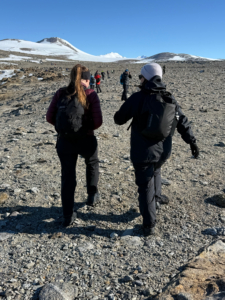
There is a small, but adequate, air-conditioned gym on board. Available equipment includes small weights, a treadmill, bicycle machines and some other types of exercise equipment. Moving around on deck will also help with keeping the body moving and be a form of exercise. During certain landings, weather permitting, there will be options to take part in hikes and various other walks.
Will there be WIFI on board?
While the ship has the ability to be constantly in contact with the shore, we encourage you to take this time to disconnect and enjoy such a unique environment. There are Wi-Fi packages available to purchase on board but if you need contact with family or friends back home the Trust will ensure this can happen.
Will I have phone reception?
Prior to boarding the ship there will be phone reception in most places between Queenstown and Bluff. There will be no reception when sailing to and from the Ross Sea.
Are there laundry facilities on board?
Some laundry facilities may be available. Further information will be communicated to our successful applicants.
ANYTHING ELSE
What is the ‘Explorer Mindset’?
The Trust’s Inspiring Explorers™ programme is built around developing an ‘Explorer Mindset’. The qualities of curiosity, resilience, leadership, innovation and teamwork helped Antarctica’s early explorers to further science, test the limits of human endurance, and explore the unknown. Our expeditions involve programme work prior to the expedition, whilst on expedition, and when we return from the expedition. This is to develop your explorer mindset to help in both your personal and professional lives. These qualities are what we want to help develop and instil in our community of Inspiring Explorers™ alumni.

How cold is it on Ross Island?
Ross Island experiences relatively mild temperatures (for Antarctica) during January, which falls in the summer season. Average temperatures on the island during this month typically range from -5°C to 5°C.
While these temperatures are very cold by most standards, they are actually among the warmest experienced in Antarctica throughout the year. The 24-hour daylight during this period contributes to the milder conditions. However, it’s important to note that weather can be highly variable, and wind chill can make it feel significantly colder. Despite being the “warmest” month, you will still need to be prepared for harsh Antarctic conditions.
In January 2026, the average temperature at New Zealand’s Scott Base was between -1°C and -7°C
What will the weather be like on the trip?
You will likely encounter a range of weather conditions as you travel from New Zealand to the Subantarctic Islands and the Ross Sea region.
On the Subantarctic Islands, you can expect cool and changeable weather, with temperatures generally ranging from 5°C to 10°C. These islands are known for their windy conditions and frequent rainfall, so waterproof gear will be essential.
As you move further south towards the Ross Sea region, temperatures will drop significantly. In this area, even during the summer, temperatures typically hover around freezing, ranging from -5°C to 5°C. The Ross Sea area is characterised by its unpredictable weather patterns, including the possibility of strong katabatic winds. While you’ll experience 24-hour daylight, which can make the weather feel milder, be prepared for rapid changes in conditions, including the potential for snow or ice even in summer. It’s important to note that long-term weather predictions are challenging, especially in these remote regions, so flexibility and proper cold-weather gear will be crucial for your comfort throughout the trip.
How many people live on the Subantarctic Islands and Ross Island?
The New Zealand and Australian Subantarctic Islands, and Ross Island, have very small permanent human populations. These islands are primarily inhabited by temporary residents, mainly scientists and support staff.
The New Zealand subantarctic islands, including the Auckland Islands, Campbell Island, and the Snares, have no permanent inhabitants but host small groups of researchers during summer months. Similarly, Australia’s Macquarie Island typically accommodates around 20-40 scientists and support personnel throughout the year.
On Ross Island, the largest human presence is at McMurdo Station, the main American research station in Antarctica. During the summer season (October to February), McMurdo’s population can swell to over 1,000 people, including scientists, support staff, and military personnel. In winter, this number drops significantly, usually to around 250 people.
Nearby Scott Base, New Zealand’s Antarctic research station, typically houses about 80 people in summer and around 10-15 in winter.
It’s important to note that these populations fluctuate based on research needs, funding, and seasonal conditions, and there are no permanent, indigenous inhabitants on these remote islands.
What wildlife will I see?
During your visit to the New Zealand and Australian Subantarctic Islands and the Ross Sea region, you’ll have the opportunity to observe a diverse array of wildlife adapted to these harsh environments.
On the Subantarctic Islands, you’re likely to encounter various penguin species, including king, royal, and rockhopper penguins. These islands are also home to numerous seabird species such as albatrosses, petrels, and skuas. Marine mammals like elephant seals, fur seals, and sea lions are common sights on the beaches.
As you move towards the Ross Sea region and Ross Island, you’ll have chances to spot Adélie and emperor penguins, with the latter being particularly iconic to Antarctica. The waters of the Ross Sea are rich in marine life, potentially offering glimpses of orcas, minke whales, and leopard seals. On land, you might observe Weddell seals lounging on ice floes.
While larger land animals are absent in Antarctica, you may see some hardy invertebrates and plants that have adapted to the extreme conditions. Remember that wildlife sightings can vary depending on the specific locations visited and the time of year, but these regions offer some of the most unique and abundant wildlife viewing opportunities in the world.