Scott’s ‘Discovery’ Hut, Hut Point

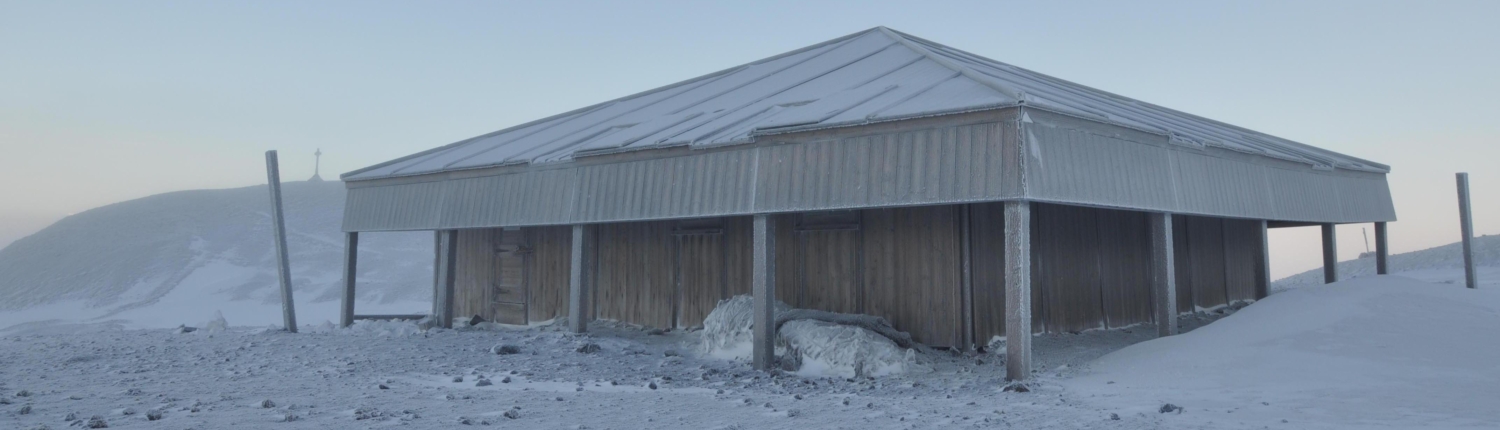
At the tip of Hut Point peninsula on Ross Island stands Scott’s Discovery hut, an enduring symbol of Antarctic exploration’s heroic-era. Constructed in March 1902 for Commander Robert Falcon Scott’s National Antarctic Expedition 1901–1904, this resilient structure has endured over 120 years of Antarctica’s harshest weather.

Conservation at a glance

Two-year carpentry and one-year artefact conservation programmes completed (2013 – 2015).

500+ artefacts conserved. Building repaired and weather tight.

Ongoing monitoring and maintenance programme in place.

2013 14 Discovery Hut JW 051 web crop
Scott's 'Discovery' hut. 2013. © AHT/Josiah Wagener

The Legacy of Scott’s Discovery Expedition

“No finer set of men ever left these shores, nor were men ever led by a finer commander,” declared Royal Geographical Society President, Sir Clements Markham as the National Antarctic (Discovery) Expedition set sail from England in 1901.

Led by Commander Robert Falcon Scott, the Discovery expedition was the second expedition to winter over on the Antarctic continent, and the first to carry out significant exploration and extensive scientific research in the region. During the summer of 1902–03, three of the most famous men in Antarctic exploration – Scott, Shackleton and Wilson – sledged to 82º 16’ S, the furthest South on earth anyone in history had ever been before.

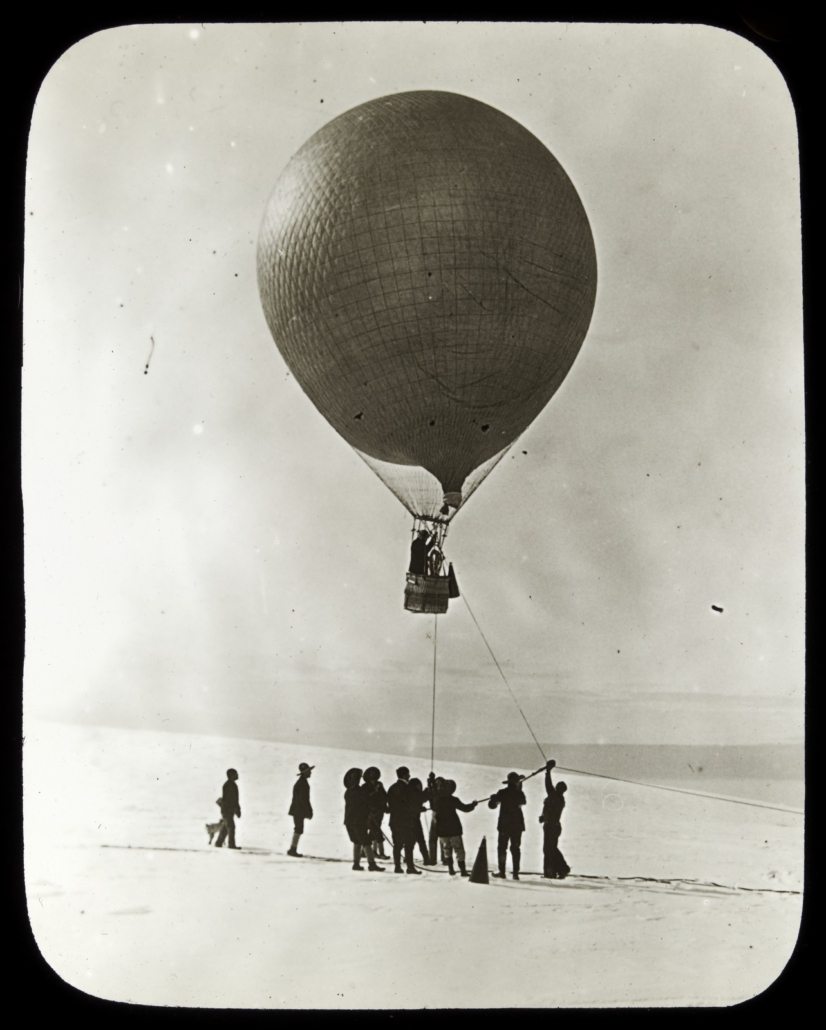
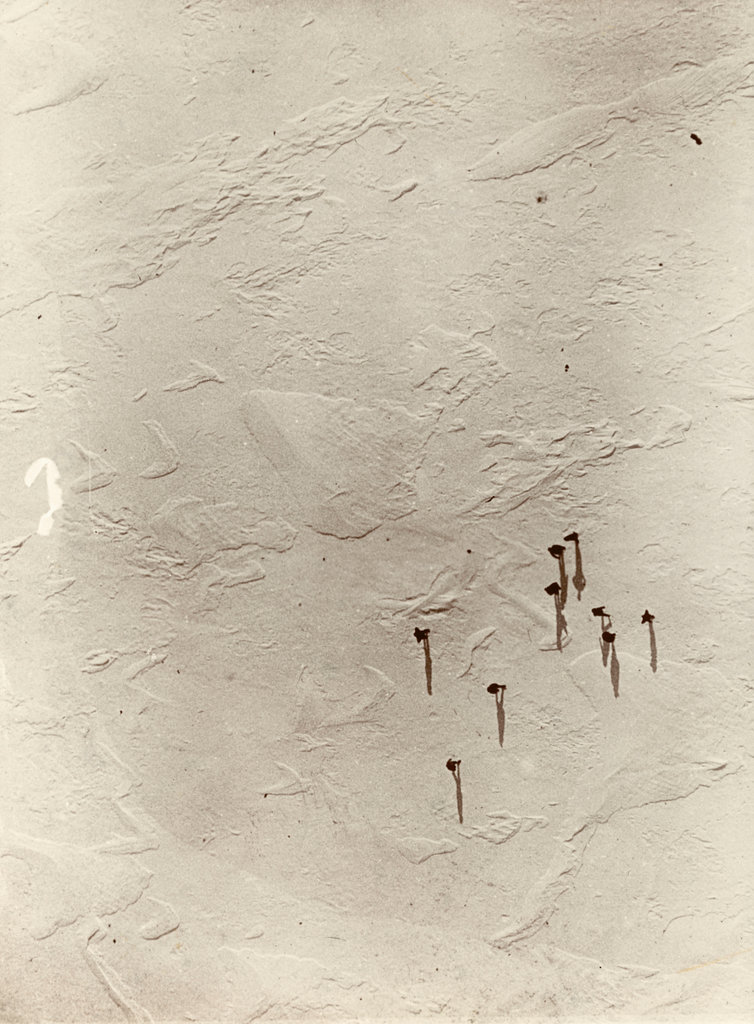
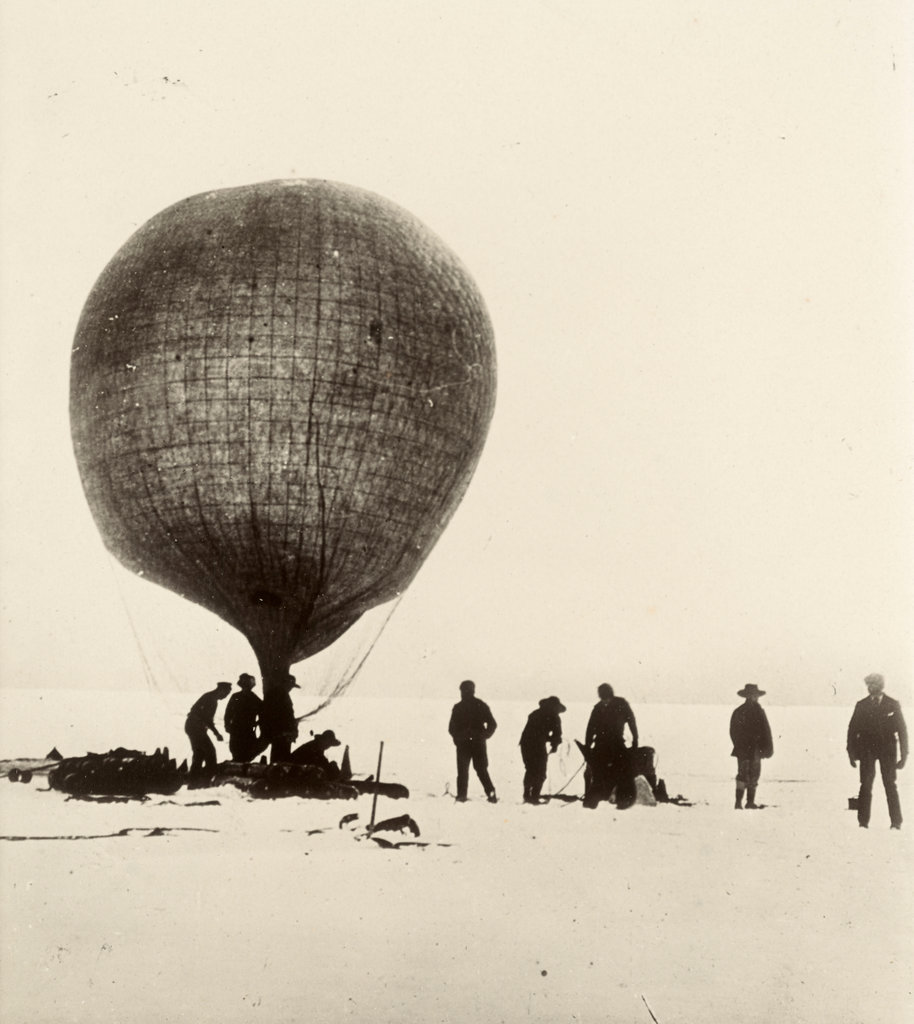
On 4 February 1902, during flights in a hydrogen balloon over the Ross Ice Shelf, Shackleton took the first ever aerial photographs of Antarctica. On the expedition’s return home, 11 volumes of pioneering scientific results were published, and Scott was welcomed as a national hero.

The hut’s strategic location in relation to the South Pole made it a crucial staging post for every subsequent expedition of the heroic era that ventured to Ross Island, serving as a vital link in the chain of early polar exploration.

Recognising the site’s profound historical and cultural significance, the Antarctic Heritage Trust initiated a comprehensive conservation effort as part of its Ross Sea Heritage Restoration Project (RSHRP), with a Conservation Plan for the site published in May 2004.
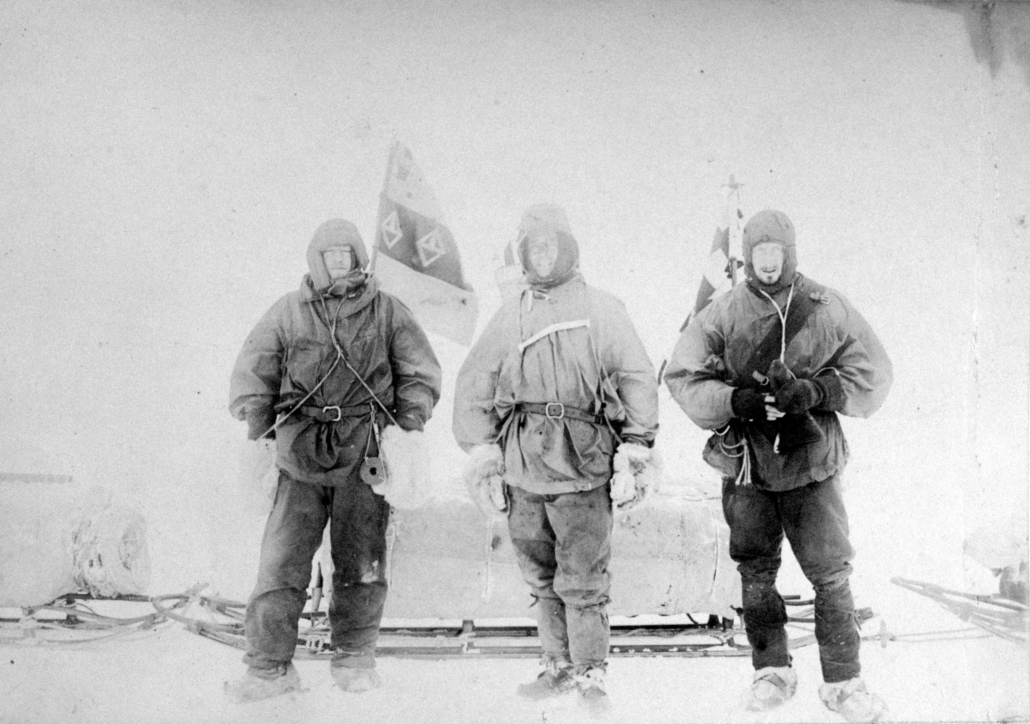
1999 204 4 Shackleton Scott Wilson web 2
Starting the great south journey, Shackleton, Scott and Wilson, 2 November 1902. R W Skelton photograph. © Canterbury Museum
40914
A view of the balloon being inflated with hydrogen on the ice. From album by Sir Ernest Henry Shackleton entitled National Antarctic Expedition, 1901-1903. © National Maritime Museum, Greenwich, London, Bernard Collection (CC-BY-NC-ND)
FL16027099
Ascent of the hydrogen balloon during the British Antarctic Expedition 1901-04. Ascended 750 feet, Shackleton in balloon. Source: State Library Victoria
40916
Looking down from the balloon across the plateau. From album by Sir Ernest Henry Shackleton entitled National Antarctic Expedition, 1901-1903. © National Maritime Museum, Greenwich, London, Bernard Collection (CC-BY-NC-ND)
529707
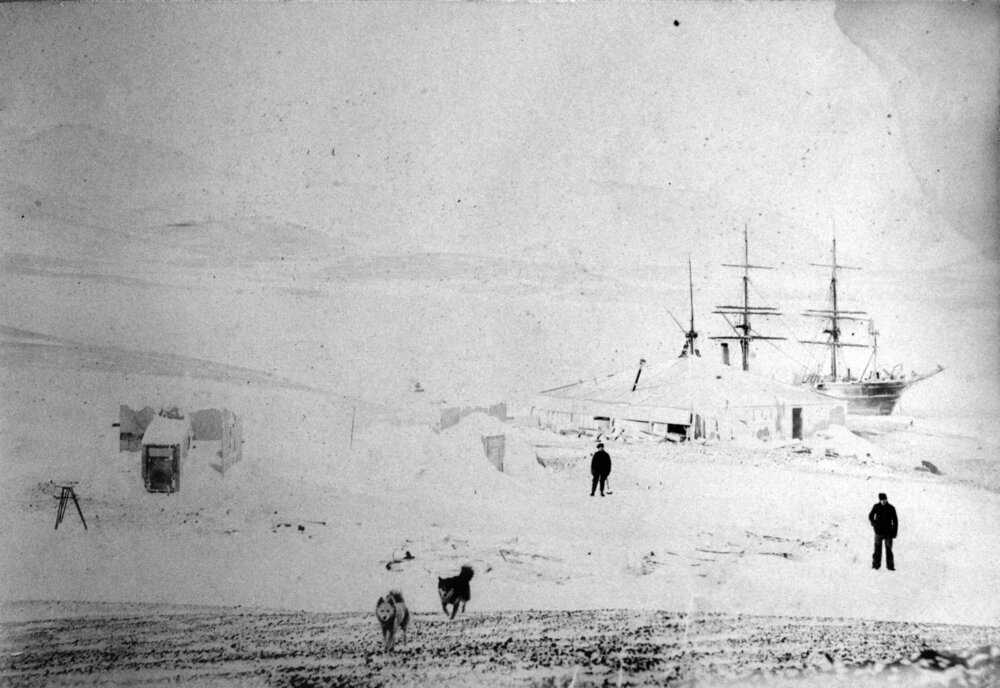
Huts and 'Discovery' ship, after a blizzard, British National Antarctic Expedition 1901-1904. 1902. R Skelton photograph. © Canterbury Museum
2001 185 31 discovery web
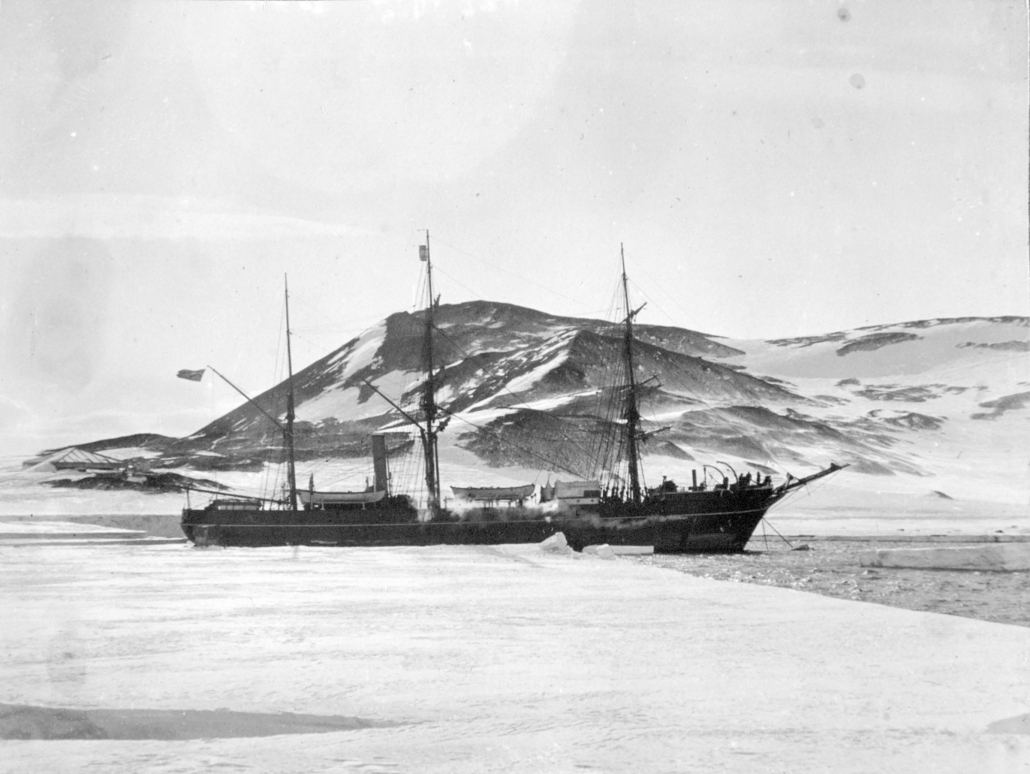
'Discovery' swinging to her anchor, 16 February 1904. © Canterbury Museum
529710
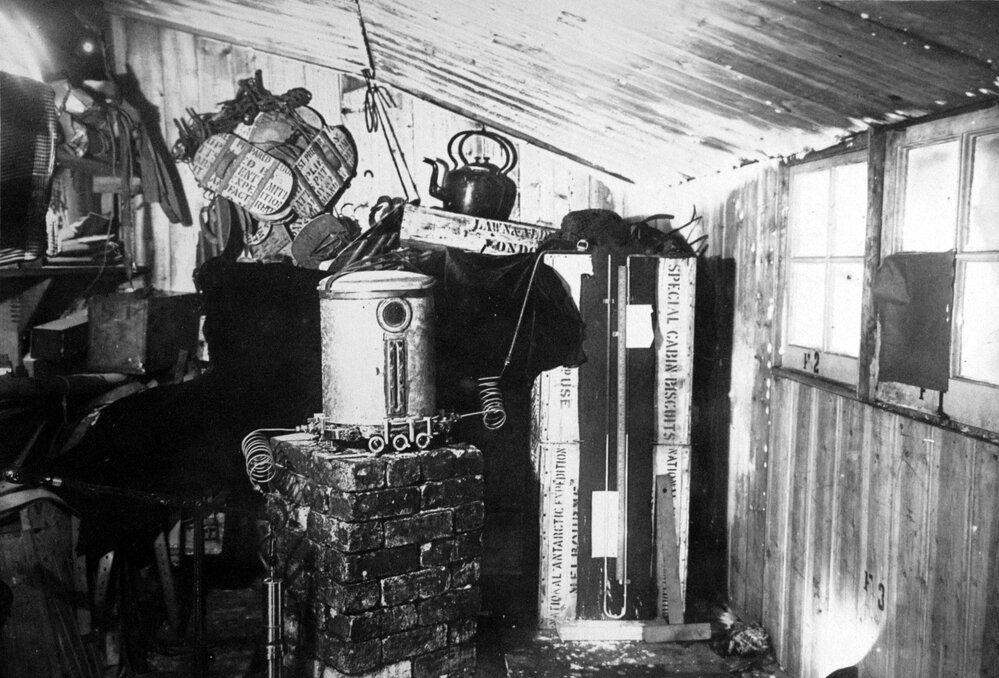
Inside 'Discovery' hut, British National Antarctic Expedition 1901-1904. © Canterbury Museum

The Ross Sea Heritage Restoration Project

From 2013 to 2015, the major phase of the Discovery hut conservation programme was successfully completed. A dedicated professional team, including 14 conservation specialists from 9 different nationalities, worked tirelessly to restore and protect the site.

The conservation process was nothing short of extraordinary. Imagine the delicate task of removing over 500 artefacts from the hut, each item a precious link to the past. These objects were carefully transported to Scott Base, where they underwent conservation treatment before being returned. Artefacts too large to move were treated in situ within the hut, adding an extra layer of complexity to the task. Meanwhile, the hut itself was made structurally sound and weather tight, providing a more stable environment for the conserved artefacts within.

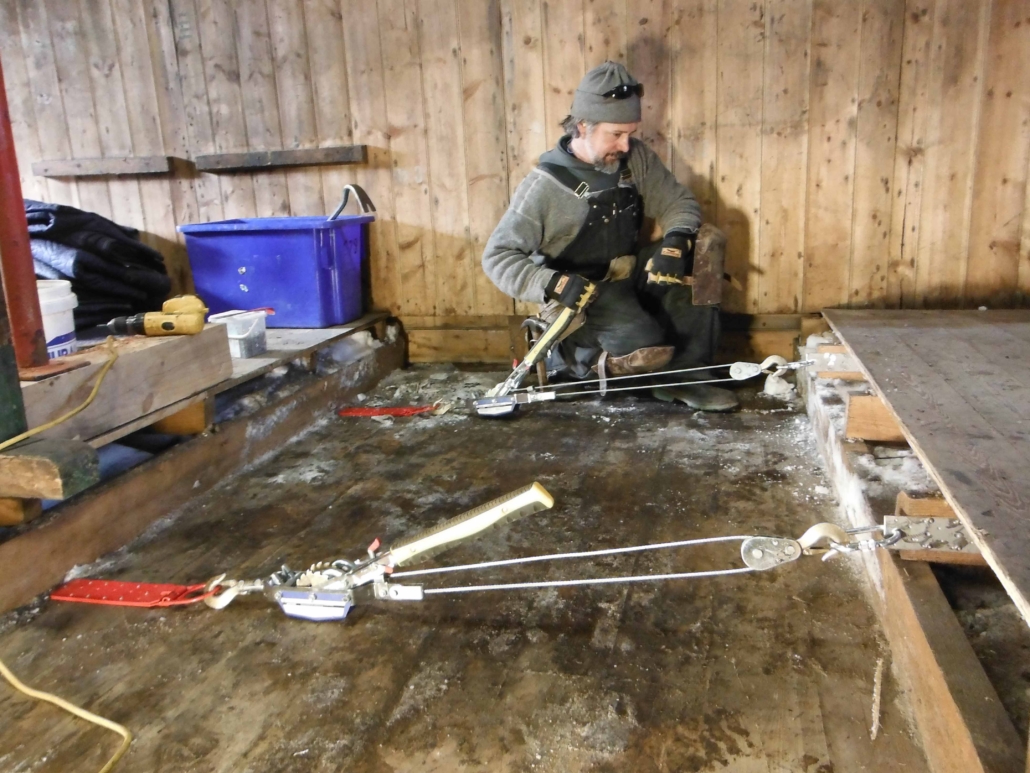
Trust conservators tackled numerous challenges while working in one of our planet’s harshest environments. They installed a polycarbonate dam around the hut to prevent meltwater from undermining the structure. They straightened and stabilised the building, removing vast amounts of accumulated ice from beneath the floor. Even the skylights were replaced with historically accurate glass, maintaining the hut’s authenticity while ensuring its longevity.
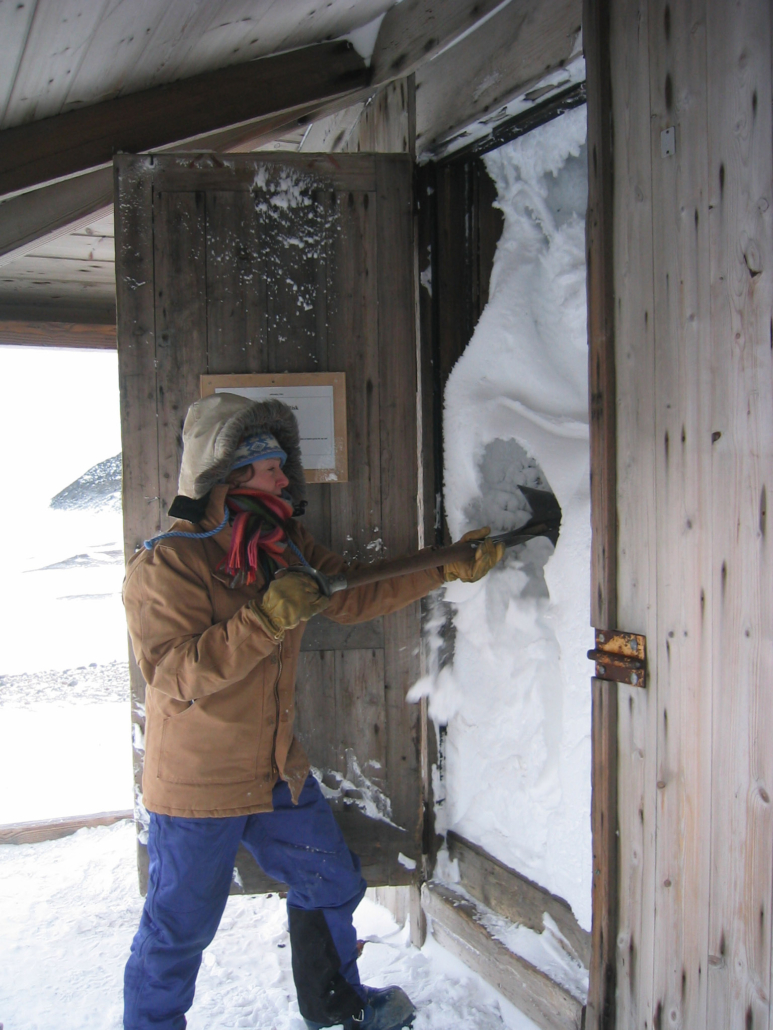
2006 September Discovery Hut Inspection AHT 009 web
Before major conservation work on the hut, Conservator Nicola Stewart digs her way into Scott's 'Discovery' hut. 2006. © AHT
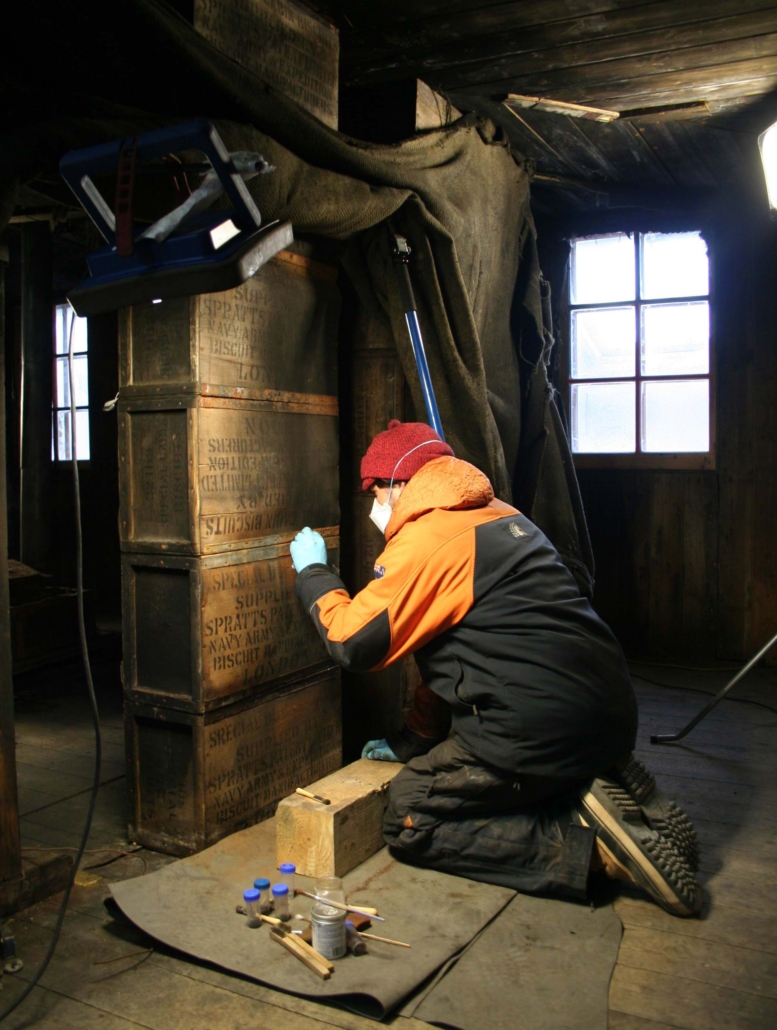
ND 2013 14 IMG 7615 web crop
Conservator Josiah Wagener treating biscuit boxes inside Scott's Discovery hut. © AHT/Nicola Dunn

But the work didn’t stop at structural repairs. Hut Point is the most visited historic hut in Antarctica due to its close proximity to New Zealand’s Scott Base and the United States’ McMurdo Station. The team went to great lengths to ensure the safety of future visitors and the environment. Asbestos, a hidden danger, was carefully removed and replaced with materials that maintain historical accuracy without compromising safety. Every step of this process was carried out with the utmost care and precision, from using specialised equipment to conducting multiple air quality tests.

The team repaired and reinstated interior doors, restored veranda wall panels, and even altered the base of nearby Vince’s Cross to align with its original design. These touches help to transport visitors back to the heroic era of Antarctic exploration, allowing them to walk in the footsteps of Scott and his men, and those who sought refuge here during expeditions that followed.
2013 14 Discovery Hut AF 160 web
Heritage Carpenter Gord Macdonald working inside Scott's 'Discovery' hut to remove the accumulated snow and ice from the sub floor area. © AHT/Al Fastier

Historic Artefact Returned to Scott’s Discovery hut

Appreciating an artefact is one thing, but helping conserve and return one is quite another, as members of the 2025 Inspiring Explorers Expedition™ discovered.

The eight young explorers were tasked with returning a classic book to the icy continent and hoped conditions would permit them to get to the base where heroic era explorers had read it, Scott’s Discovery hut at Hut Point on Ross Island.

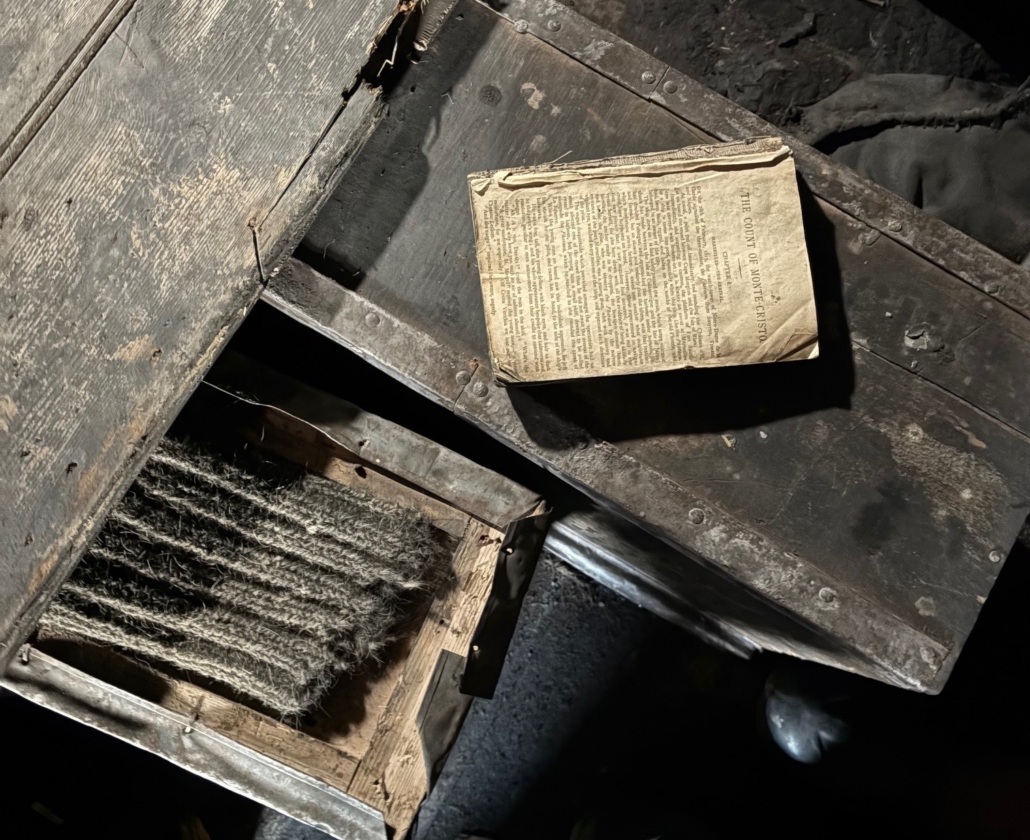
The historic copy of “The Count of Monte-Cristo”, written by Alexandre Dumas and published around 1844, was given to the Trust by a donor who received it as a school prize in 1965.

Before leaving New Zealand, the young explorers readied it for its next phase of life in icy conditions.

Inspiring Explorer Daniel Bornstein, a conservator at the National Museum of Australia, says the condition of the book highlights the hardships experienced by early Antarctic explorers. The book is missing its cover and a few pages, is well thumbed, covered in sooty fingerprints and smells strongly of the seal blubber that fuelled stoves and lamps.

“This was an intervention treatment. We repaired some little tears and stitched some pages that had separated from the book back into place. We humidified and flattened it – and made sure it was safe for the rest of time.”

Returning the book wasn’t plain sailing. Heritage Architect Lucy Hayes-Stevenson says the group almost didn’t get to Discovery hut because of sea ice blocking their vessel’s passage.

“On the first attempt to return the book, ice blocked our way and we had to turn back. Reality in Antarctica is dictated by the movement of the ice and it changes in a second. On the second to last day, the ice had fully cleared and we were finally able to return it to its home in Scott’s hut. We were all so invested in its return, because we got to be a part of that story.”

Daniel says “This was an incredible opportunity for someone in my profession. I had the privilege of working on this object associated with Antarctic exploration and take it back to where it can be most meaningful.”

Inspiring Explorer and Conservation Technician Louise Piggin describes the experience as very special. “You see the book and it feels like a very old piece of history that doesn’t fit in with normal surroundings, but when we returned it to the hut, it fitted right in. It was home.”

Each year the Trust is gifted artefacts from around the world that were originally from the historic huts. The Trust welcomes their return, and thanks to our donors, we are able to conserve these artefacts and return them back to the expedition bases in Antarctica.

Artefact return to Scotts Discovery Hut 2
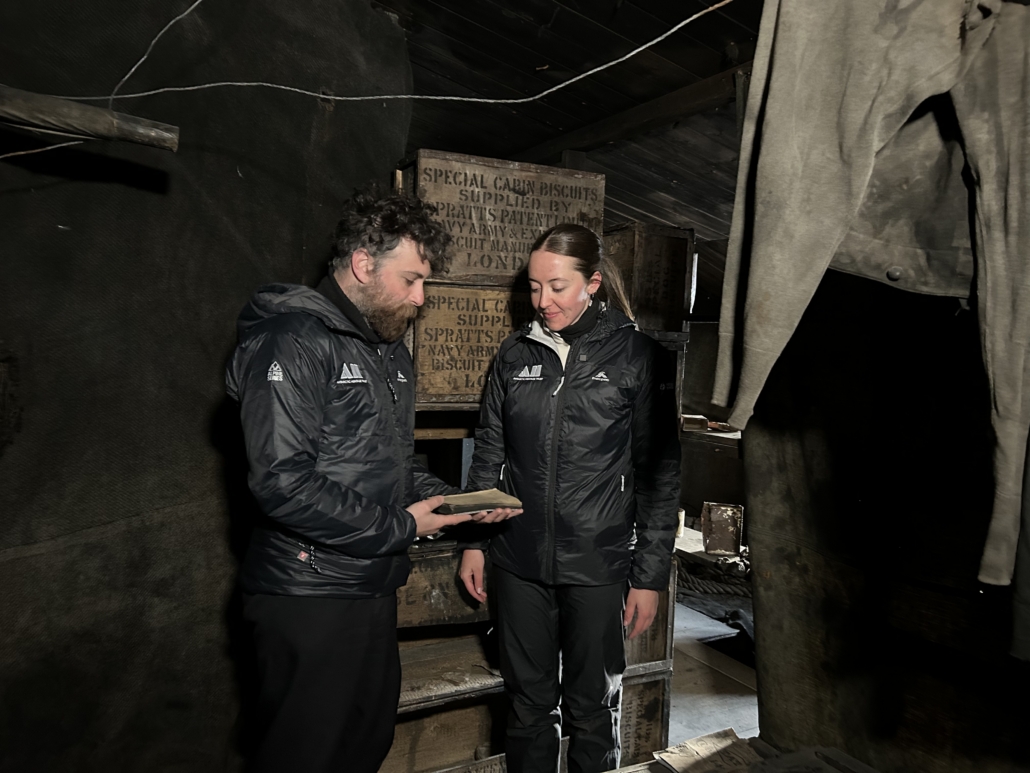
Inspiring Explorers Daniel Bornstein and Louise Piggin inside Scott's hut at Hutt Point. © AHT/Anna Clare
Artefact return to Scotts Discovery Hut 4 e1785991201465
This donated copy of the "Count of Monte-Cristo” written by Alexandre Dumas, published around 1844, was returned to Scott’s Discovery hut at Hut Point on Ross Island. © AHT/Anna Clare

Conserving History for Future Generations

Today, Scott’s Discovery hut stands not only as a monument to past explorers but as a beacon of international cooperation and meticulous conservation efforts. Thanks to the Trust’s ongoing annual monitoring and maintenance programme, this irreplaceable piece of history will continue to inspire and educate for generations to come.

By protecting sites like Discovery hut, we don’t just conserve wood, metal, and artefacts – we safeguard the spirit of exploration, scientific curiosity, and resilience that these early explorers embodied. In doing so, we ensure that the lessons of the past continue to shape our understanding of Antarctica and our role in protecting this unique continent.

In 2024, the Trust launched a cutting-edge virtual reality experience to explore Hut Point Peninsula and the first Antarctic base of Captain Robert Falcon Scott, Discovery hut. The Trust’s Inspiring Explorers Education™ team travel around New Zealand to bring our virtual reality experiences to schools, community groups, public venues, and festivals. If you would like the team to bring the experience to your school, community group or event, you can book below.

July jcv 8
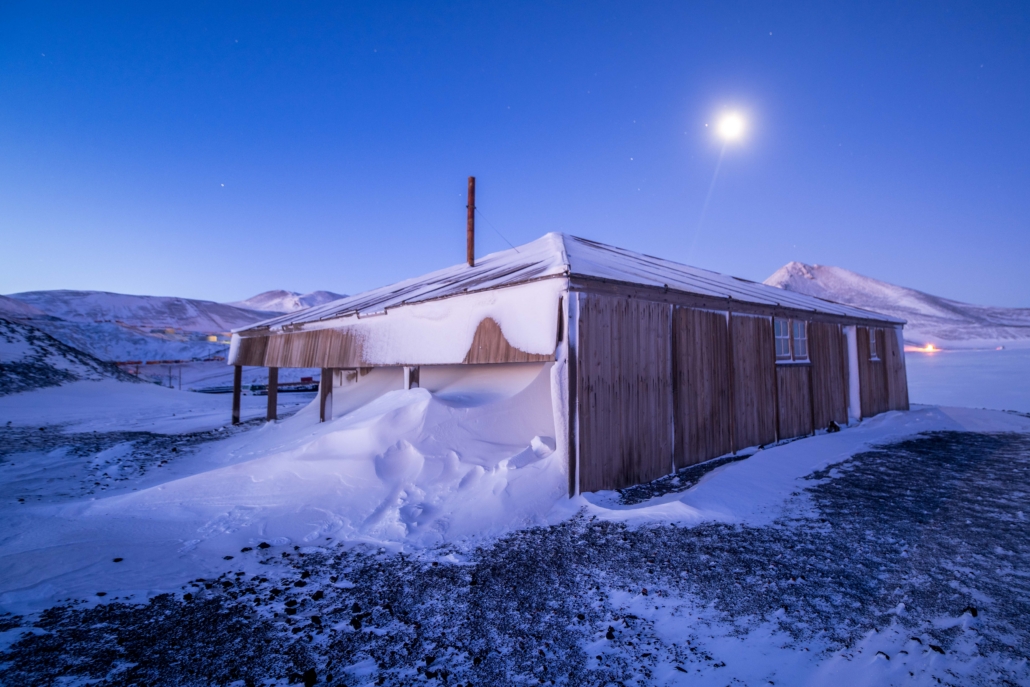
Scott's 'Discovery' hut during the 2026 winter season. © JC Photography NZ
AHT Heritage lockup logo colour
Dark Rock Version e1785970987223